
playable nostalgia
The adult industry (a euphemism I only use here to avoid content filters) has always been an early adopter of new technologies: video streaming, VR, and most recently, AI. As soon as people realised that AI could be used to write the stories and make the videos they most wanted to see, it was put to explicit use.
While I may not applaud the application to this genre, I am a bit more equivocal about the mechanism than many writers might be. Sometimes what we want from stories is more of the same. A comfortable, almost predictable narrative to which we can return. AI can do this. Is what AI generates art? I’ll leave that question to the philosophers. But I do think it can be good, where ‘good’ means something that entertains, that scratches a specific itch.
Think, Build, Test
As is so often the way with my work, I decided to test this theory by building something. No, it was not ‘adult’ content. It was a very specific type of game.
My all-time favourite computer game, one I have played through many times, is Wing Commander Privateer. If you don’t know it, it came out in 1993 and allowed you to fight and trade your way through a galaxy, building up your experience, advancing your ship, and solving a mystery along the way. Stuck with a series of back to back 4 hour train journeys when I knew I wouldn’t have the brain power to write anything new - at least not all the time - I decided to set AI on the task of building me a new game in the spirit of Privateer.
The speed at which it achieved this blew me away. Within an hour we had a very playable demo. By the end of the first journey we had a fully working 3D space shooter with a narrative arc, multiple systems and bases to explore, and its own lore. Another 8 hours in and I’ve completed three story arcs, and expanded the game further.
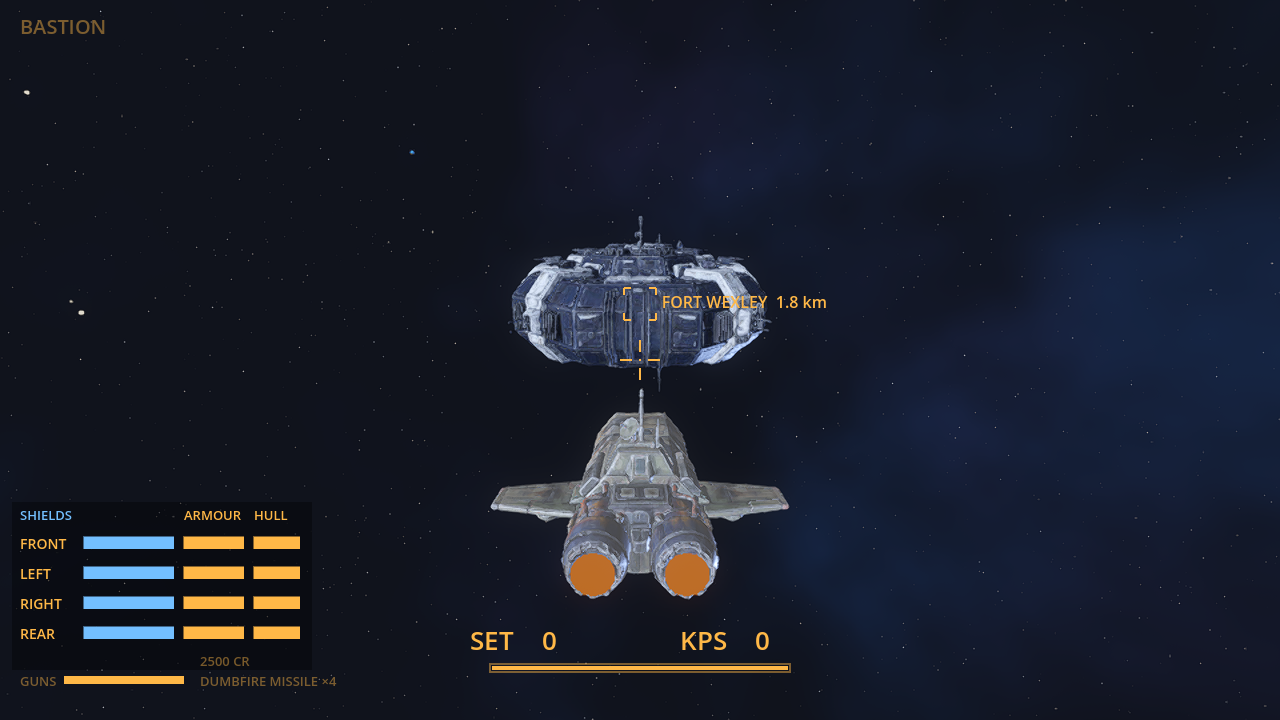
Early screenshot from Project Nerf Herder, my AI homage to Wing Commander Privateer.
The AI toolkit
How did I get here? Well Claude Code can do a lot of the work, given the right prompts. But to really flesh things out we needed to call on other tools: Google’s Gemini suite for 2D images and speech, and a specialist tool called Meshy for 3D models of the ships and space stations.
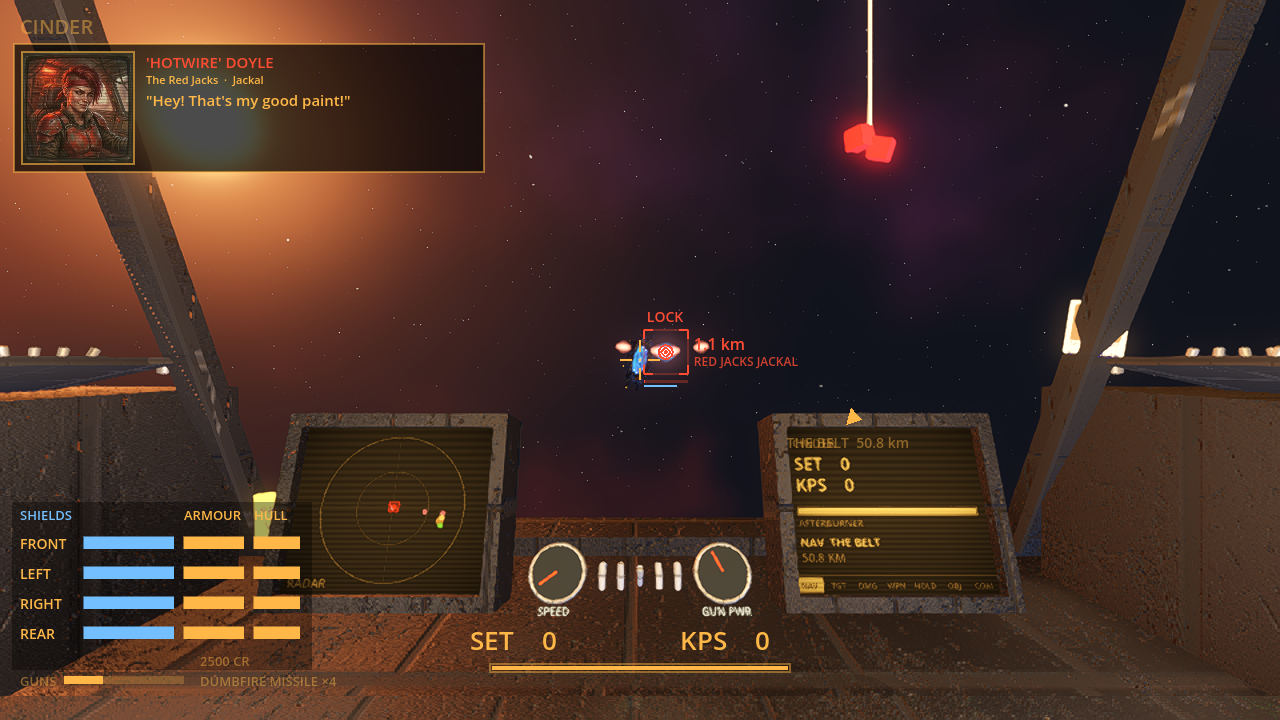
Cockpit view from a firefight. Cockpit design still needs some work.
Working on the game has been a great way to test the limits of my custom mechatronic project management software, MakerFlow, which I now use to track and document all my projects in an integrated fashion. It integrates all the tools I use, both AI and human-powered. For the nerds, that is code-server with Claude, Gemini, Github and Platformio for software/firmware development, KiCAD for PCB design, Fusion360 for hardware design, and my own custom tools. WireMe and PlumbMe for, well, wiring and plumbing.
I’m continuing to develop my game, using it as a research exercise to improve my software development workflow and better integrate parallel AI tools. But like a lot of my research projects, it’s also incredibly good fun. I love playing it. It gives me the same joy as Privateer but now I can expand the story endlessly, rather than replaying it.
Value - and risk - in nostalgia
I think there’s value in that, even if it isn’t ‘art’. But there is also a slight concern about what this represents. This is playable nostalgia. Comfort in 3D. There’s a value in that. Even a market. But if I was to allow myself a moment of philosophising, I do think humanity is at its best when looking forwards, not backwards.